Why I've grown out of car enthusiasm


Background
Growing up in the most car-centric city in the world, Houston, TX and being a bit of a "speed freak" I have always been absolutely enamored with cars. I had the stereotypical Lamborghini magazine posters pinned to my bedroom walls.
Being a bit of a science nerd also contributed to my interest. Thermodynamics, chemistry, mechanical, electrical, refrigeration, hydraulics, you name it, working on cars will teach you about all kinds of cool science, and manipulating that knowledge to make cars faster was also a ton of fun.
Over the years I've owned several cool cars like an S2000, and a Cadillac CTS-V. Yeah, actually that's pretty much it. Cars are expensive and I've never owned a garage so I didn't really have a place to fix up a "mechanic's special".
I enjoyed cars so much that I ended up becoming a professional car guy (mechanic/technician) and while I do enjoy repairing anything and keeping it on the road, I find myself less and less interested in the "enthusiast" space.
Tech
Modern cars are often referred to as "computers on wheels". A while back Mozilla wrote an article about the privacy violations of modern cars. See more on "Why I've become a luddite" but the short version is cloud dependencies and privacy violations.

As with that article, my fading enthusiasm doesn't really have anything to do with the cars themselves, but of the direction of the industry.
To elaborate specifically on tech/cars, many OEMs are explicitly removing or not including Android Auto or Apple CarPlay in order to force you into their shitty subscriptions, both for basic connectivity as well as software features that your phone can already do. The vast majority of these infotainment systems are absolute garbage in comparison, and the days of just swapping out the infotainment system for an aftermarket double-DIN system a la Crutchfield are long gone, due to the integration of actual car functions into the display.
Not to mention the absolute bane of my existence, touchscreen controls in cars. This should be illegal. It should've been illegal years ago. The EU is supposedly working on making it illegal. There's nothing I hate more than taking my eyes off the road and trying to tap the absolute tiny climate control up button while the car bounces up and down the highway, only to miss the button entirely or hit a completely different setting that I now have to fix before going back and trying to change the climate setting again.
EVs
In 2017 I moved about 0.5 miles from my work. Being a mechanic, I was well aware of the damage this type of short-trip driving would cause an ICE car. And unfortunately the 0.5 miles crossed an interstate highway and was full of homeless, and I didn't feel particularly comfortable walking or riding a bike. And unfortunately you still need a car just to exist in Texas anyway. I ended up picking up a Chevrolet Volt, which is a plugin hybrid with ~37 miles of EV range.
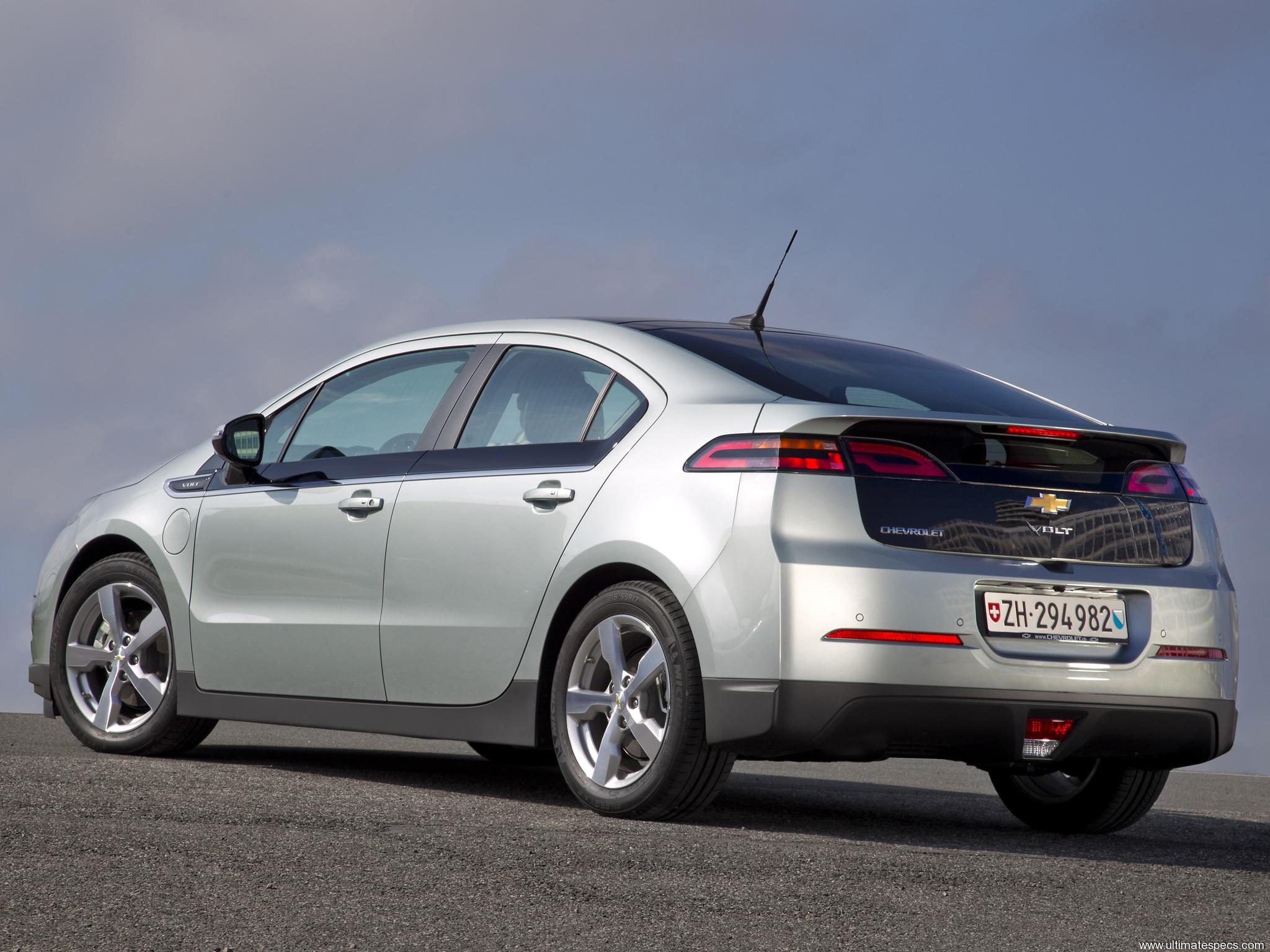
That vehicle kinda lead me down a path. I experienced the smoothness, the quietness, the power at all speeds, the single-speed drivetrain, and the near-zero cost of ownership. It actually cost me almost nothing to drive because I rented a garage for $50/mo that had an unmetered 110V outlet inside, which probably paid for itself. The worst part of this car was, despite the fact that it had physical buttons, they were capacitive buttons, which were horrible and worked maybe half the time. The fact that this ever left the assembly line like this is an embarrassment. They also shipped these same controls in all of the Cadillacs of the time (in the CUE system).
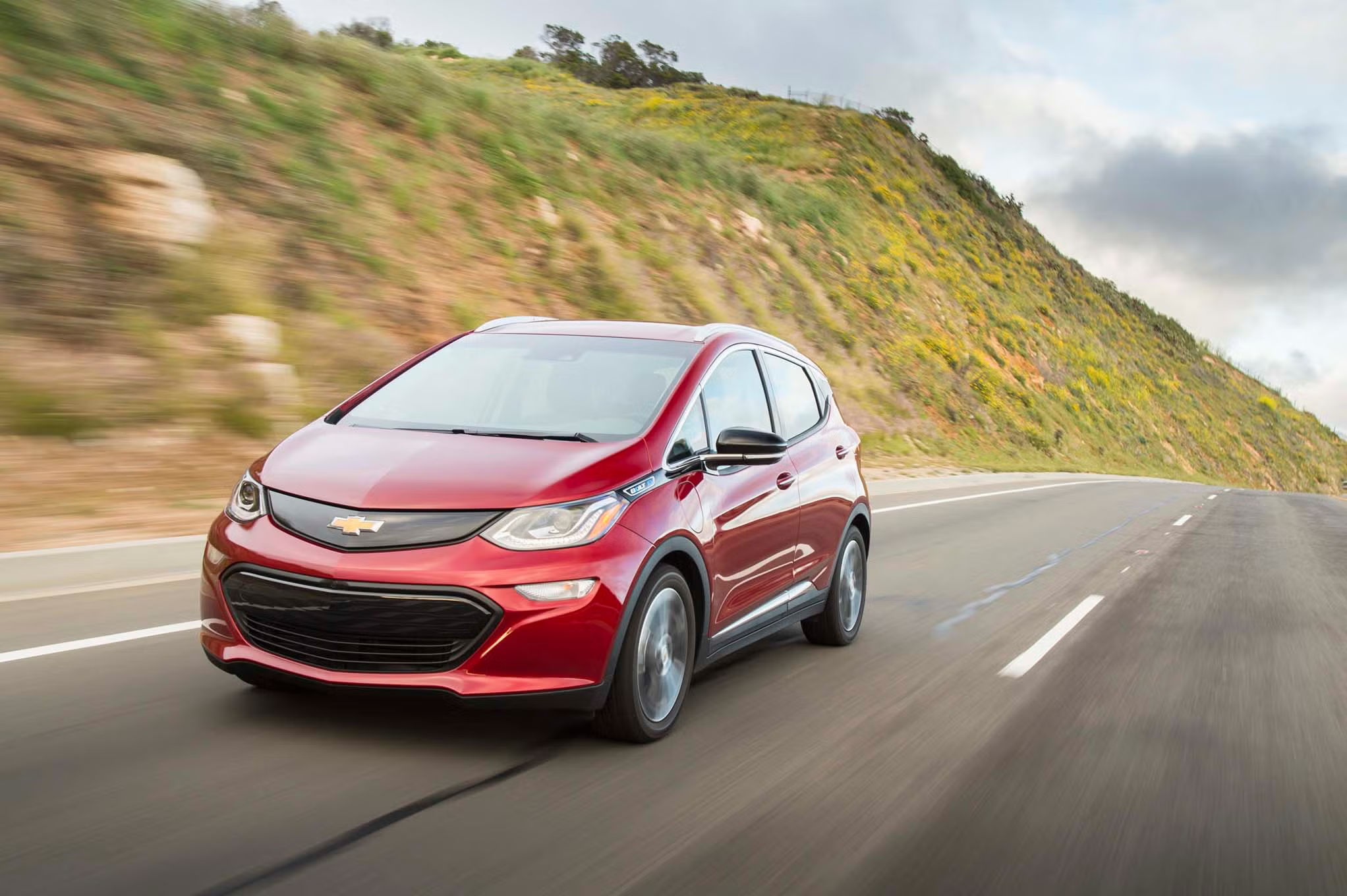
Shortly after that I transitioned into a new career where I was driving a LOT more (and making more money) and I transitioned into a fully electric Bolt EV. That car was a bit of a mixed bag. It was similarly smooth and quiet but the seats were like barstools and being FWD it would spin the front tires like crazy any time you tried to accelerate quickly.
Later I was doing pretty well and that's when the Model 3 came around. I didn't jump on them immediately but just watched them closely for a couple of years. Watched reviews, read owner testimonies, etc. I jumped on them when they came out with the "refreshed" model in 2021. All of this was before becoming a Luddite, really. That happened gradually but I really went down a rabbit hole in 2022 or so. I actually really really like the Model 3. It looks cool, fits 5 people, costs nothing to own except insurance, tires and (cabin) air filter. It's fast and relatively sporty. Tesla gets a lot of shit for their QC and reliability but my personal experience has been nothing short of exemplary. In short, it's way cooler than some of the cars I fantasized about in the past like a BMW M3 or the 5.0L Coyote Mustang. Maybe a hot take but I really do love this car, despite its (many) drawbacks that I won't get into here.
Anyway, long story short I basically stopped caring entirely about gas cars entirely, because EVs are just so much better in virtually every way, in my opinion.
Unfortunately the industry never really managed to break out of the "luxury" price range. To day this prices for EVs start at ~$40k. In the next paragraph we can discuss why.
American obsession with Trucks and SUVs
America has an obsession with trucks and SUVs, driven largely by subsidized oil and backwards fuel efficiency regulations dating back to the Obama era known as CAFE standards, and more specifically, the "chicken tax" exemptions provided for "light trucks" (as if any of these resemble anything "light"). Despite the many drawbacks and safety issues with trucks and SUVs, EVs are no exception to this rule. Currently there are only a handful of compact electric vehicles, and only 2 that are near that ~$40k mark (Tesla 3 and Hyundai Ioniq 6).
Except this is particularly problematic for EVs. You see, the heaviest and most expensive component of an EV is the battery. Being that batteries are way way less power dense than fossil fuels, and being that trucks and SUVs have way way less energy efficiency than compact cars, this leads to absolute behemoths that are exorbitantly expensive, and none moreso than the one-hundred thousand dollar, nine thousand pound Hummer EV. It really serves as a shining monument of everything wrong with the modern EV industry.
This has given EVs the reputation of being significantly heavier than ICE vehicles, even though my 3200 lb. Tesla disproves that generalization. EVs are only generally heavy because they're enormous. It doesn't have to be this way.
Then we move on to how this impacts costs. I want to point to a specific example, back in time, which is the 2002 Honda Insight. While the powertrain was arguably a bad choice (no Atkinson-cycle parallel hybrid drivetrain like the Prius, and no diesel powertrain like a VW TDI), the chassis itself served as a great example of cost and fuel efficiency. No fancy tech gizmos and gadgets.
Someone did actually convert one of these to electric, with modern technology, and it got >400 miles of range https://www.youtube.com/watch?v=xzcj2gfEdMA. There's absolutely no reason an OEM couldn't build a modern and simple comparable version of a car like this and sell it for $25k. Especially with the giant gap in the market for cars in this price range. The sad news is that Americans wouldn't buy it.
You see, the bigger a vehicle is, the less efficient it is, and the more battery it needs, and the more it costs.
Charging stations
One of the big reasons I got rid of my Bolt was the charging situation. And I don't mean the pathetic 50kW peak charging speed, but the state of charging networks.
First of all, payment. Wow. Every charging network requires it own fucking app to use. These apps are often hilariously bad and often completely non-functional. It doesn't help that these charging stations are often in the middle of nowhere, with no connectivity to speak of. Jesus fuck people, just do what gas stations do and scan a credit card. How hard is this?
Second is just basic functionality. Probably 50% of the time when I would arrive at a charging station I would be unable to get it to work, or the charge would be interrupted for some reason in the middle of it, repeatedly.
On the other hand, the Tesla charging network has been "Plug and Play". The only issue I've run into in the 4 years of ownership is a short delay while traveling during the holiday season.
This really greatly limits my purchase choices, and arguably the purchasing choices of so so many. Fortunately Tesla is slowly opening up the charging network to all vehicles, but the transition has been painfully slow.
Elon and Tesla
At this point, the 2 are inextricably linked. No one sees Tesla and doesn't think about Elon. Unfortunately that means he steers the ship in many detrimental ways. Instead of focusing on cost-effectiveness and actually useful features, they're focused on removing even more physical controls and diverting a massive amount of resources into "Full Self Driving", which is actually just a blatant lie they've somehow managed to get away with for >10 years at this point. Not only is it not "full self driving", but it's actually awful. I won't delve into this too deeply but I've received several FSD trails, which I use for about a week and then disable because it goes too fast, too slow, hogs the left lane, literally drives me in the wrong fucking direction, and just generally requires constant supervision. Maybe if I was drunk and someone put a gun to my head and told me I had to drive I would let it drive.
Not to mention his dive into politics, where he very strangely backed the anti-EV climate denier party, both financially and vocally. Yeah, that was not good for Tesla or EVs, at all. Elon backed would-be-King Trump, who promptly dismantled the federal EV incentive in one of many backslides, not only for EVs and for the climate, but for the country and the world in general.
He's also unfortunately gone "all in" on computer vision, repeatedly replacing real actual sensors with cameras and AI. This has not worked out well. It certainly cut costs but the impact to actual functionality has been detrimental. From the self-driving functions to the automatic windshield wipers to the automatic parking functionality. A 2015 Chevy Volt will do a better job parking than this thing.
And of course we can't forget the absolute atrocity that is the Cybertruck.
Chinese EVs and tariffs
China, as a nation, has gone absolutely all-in on EVs and, frankly, left every other nation in their dust. They do make lots of cool and small EVs. Unfortunately US tariffs make those cars so crazy expensive to import that they don't even bother. That problem has only been exacerbated by the Tangerine Tyrant.
Hot take: I actually agree with this decision, but I'll refrain from diving into geopolitics for now.
The point is, it's sad that we can't have any of the dozens of small and inexpensive Chinese sedans (or vehicles like them) in the US.
My journey into cycling
Well, we're gonna take a sharp turn here. Back in 2016 I moved from Houston to Austin, with the express intent of spending more time outdoors. One of the things I picked up after moving was mountain biking. It's something I enjoy immensely. Downhill mountain biking in particular gives me that same rush of race cars, but at a much slower speed, but arguably even more dangerous, haha.
After becoming a studious member of the cycling community (I am now the Director of Special Events of the local mountain biking club) I inevitably learned a little bit about cycling culture and road cycling. I began to dabble into what I would call gravel cycling, but really is just learning where all the detours are (often off-road) to safely navigate the city by bike.
And somewhere along this process I discovered YouTube channels like Not Just Bikes and Climate Town, and these really opened my eyes to the many many problems that cars have created. I also came across a Tom Scott video about Peachtree City, GA (outside of ATL), where nearly everyone in the city (and especially kids) get around in golf carts. They have an entire travel network and infrastructure built just for them. Again I grew up in the most car-centric city in the world, so any other type of infrastructure really never crossed my mind as viable.
According to US DOT, approximately forty-thousand people are killed in traffic accidents annually in the US, and another 2.4 million are injured. Those are insane and tragic numbers. If you're anything like me, and you hear that someone you know has passed away, the first thought that enters your mind (unless they were previously ill or very old) is that they were likely involved in a traffic collision, because that is just so often the case, especially if you spend any time with road cycling clubs and the like.
Anyway, the point is that I've had a sort of revelation, and the value I find in cars, and accordingly my enthusiasm, has dwindled. I find myself daydreaming of, instead of V10 Lamborghinis, Corvettes and Vipers, a radical world where all city streets are limited to 25MPH. This would pretty much solve most of the car problems overnight. ICE-based emissions would fall by 90%, cars wouldn't necessarily need to be overbuilt for safety, you could safely drive a wide variety of vehicles, from an International CXT to a bike/ebike, all on the same infrastructure. EV "range anxiety" and charging would be a thing of the past.
The Slate: a solution?
 Slate
Slate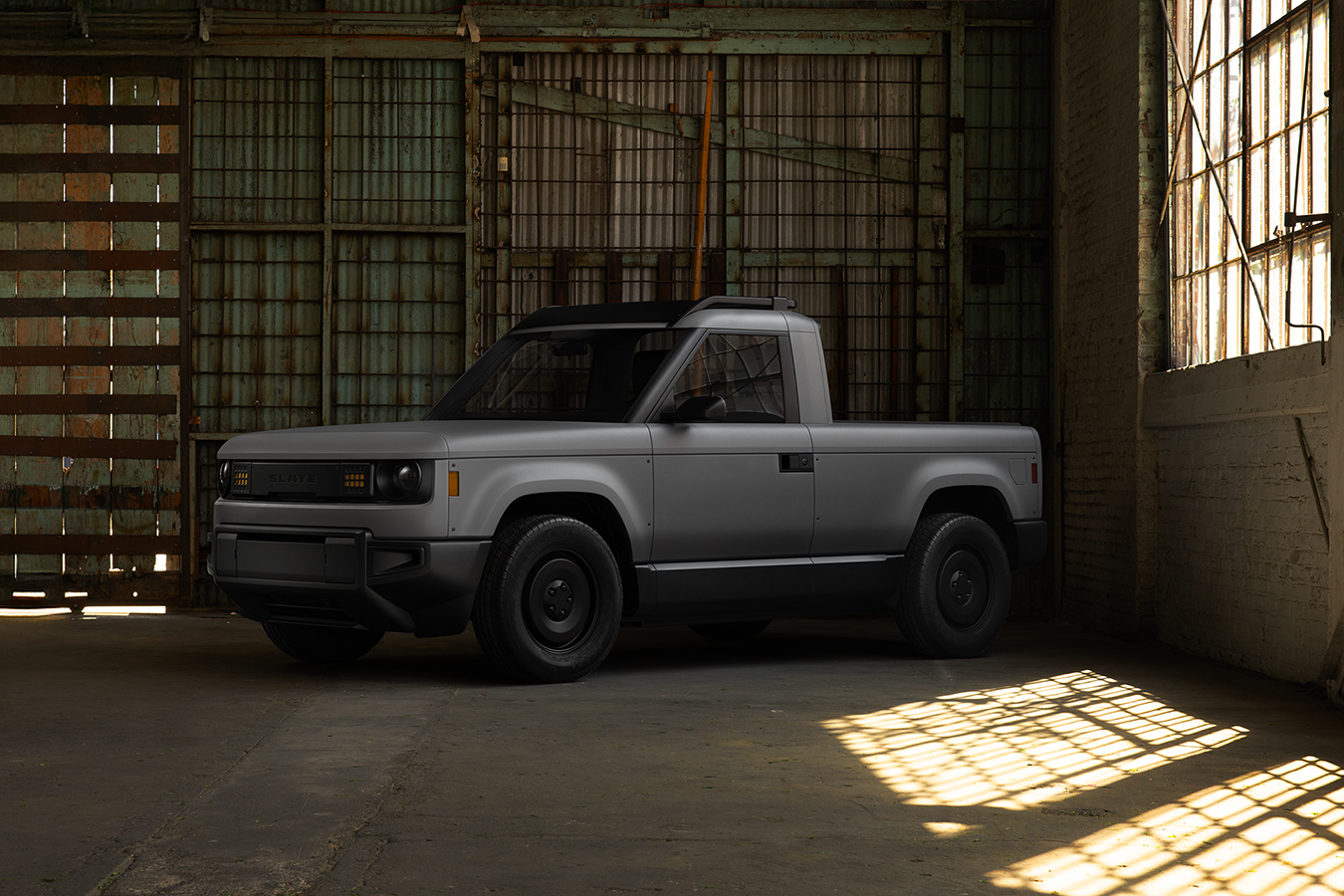
The only car that has captured my attention in recent years (other than the Aptera which I've decided is never going to be produced) is the "Slate".
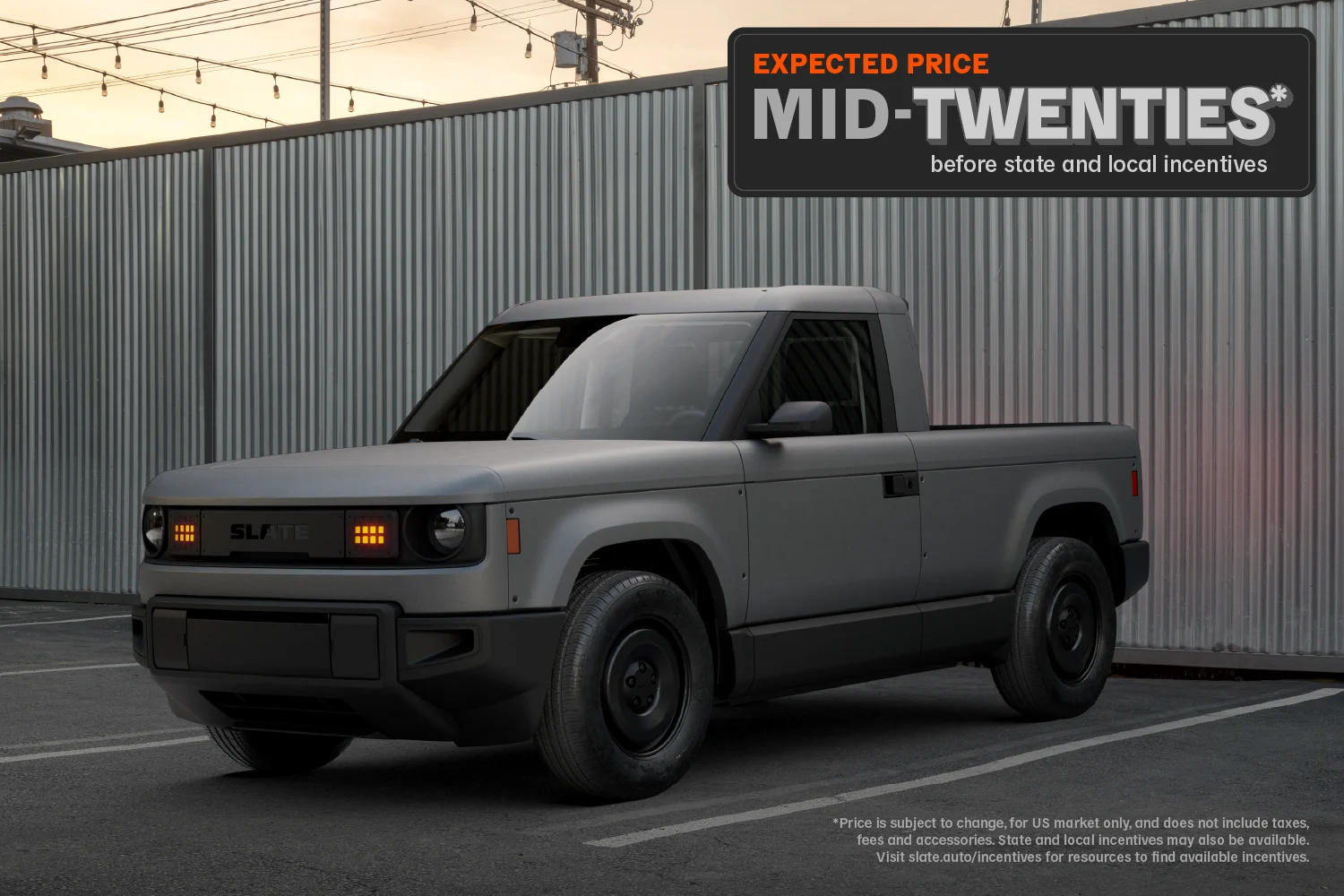
On the surface, it appears to be an incredibly simple and inexpensive vehicle. Really, it is much more expensive than it should be, but this company doesn't have a multi-billion dollar production line, and likely will sell in very few numbers, so it makes sense, and it is still much less expensive than most any other modern vehicle, much less electric ones. They currently claim the pricing will be in the "mid-twenties". And realistically quite a bit more after adding the extra battery pack for a reasonable amount of electric range. But I become increasingly comfortable with paying more for less. Because often times in [current year] less is more.
The body panels are made of plastic and literally just bolt onto the side of the vehicle, with completely exposed screws. Meaning if it were involved in some sort of collision it would cost maybe a few hundred dollars and a half hour of time to repair, which is just wild to see in [current year].
There's no paint. If you want a specific color or design, you can just vinyl wrap it. Aptera also had a similar approach. This greatly decreases the costs of production while also making them highly customizable. Like, it costs them almost nothing to store a wide variety of colors and patterns, or even to just custom-order a roll of vinyl and have it cut out with their plotter. Tesla famously decreased costs by only offering their vehicles in like 4 or 5 colors.
The wheels are just "steelies" (basic blank steel wheels).
Despite all of this, it's actually a very good-looking vehicle, even in it's "blank" state.
The vehicle has no infotainment system or connectivity. Seriously, none. No radio, not even speakers (although all of this can obviously be optioned as extras, for an additional fee). They actually recognize that they can't compete with the likes of Google and Apple, nor do they need to. The only thing it comes with is a USB docking station for your phone. More important than actually not having it is not being dependent on it. And no connectivity means no spying and no pushing ads or bricking the vehicle when the company goes out of business or something. It remains to be seen if this is true in reality. There is an app that connects to the car, so theoretically it could siphon data through the app. The app is supposed to be the primary delivery method for software updates, so it's probably important. The company is backed by Jeff Bezos, so he'll certainly be pressuring them to incorporate datamining somehow.
The biggest downside, in my opinion, is that it's a truck. Albeit, a small truck, the likes of the Ford Rangers and Chevy S10s of yore. I suppose I can tolerate that, given all the other advantages, but heres hoping for a "Slate Car" in the future.
Despite all these pros, there are still some lingering questions about the company and the vehicle. The primary one being, can they actually sell it? Is there really a sustainable market in the US for an incredibly spartan, small, single cab electric pickup truck with minimal range? I don't think there is, but I hope I'm wrong.
Either way I put down the $50 deposit for a reservation on day 1, and I look forward to following their progress.