Tesla: Please sell the Cybercab
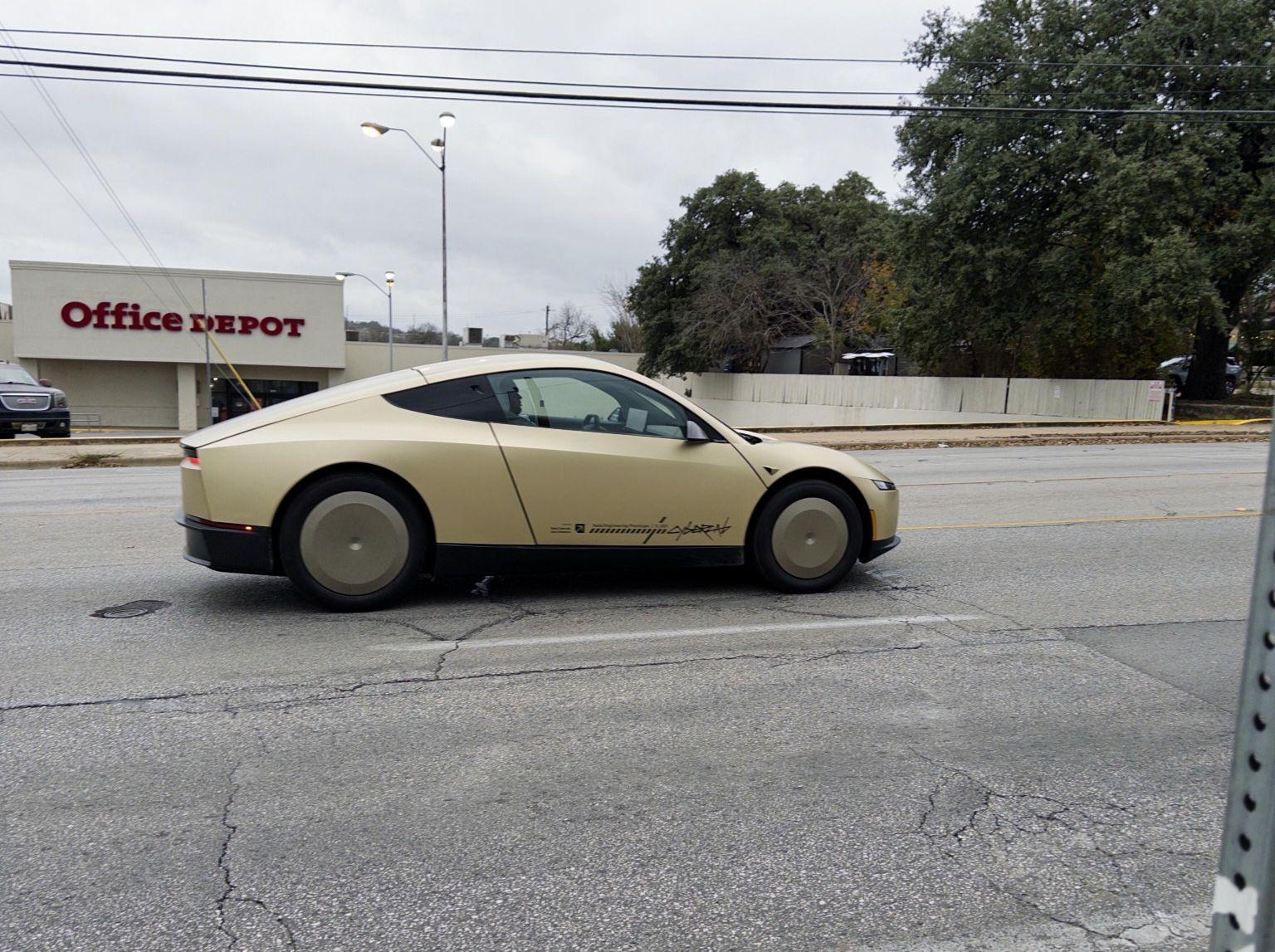
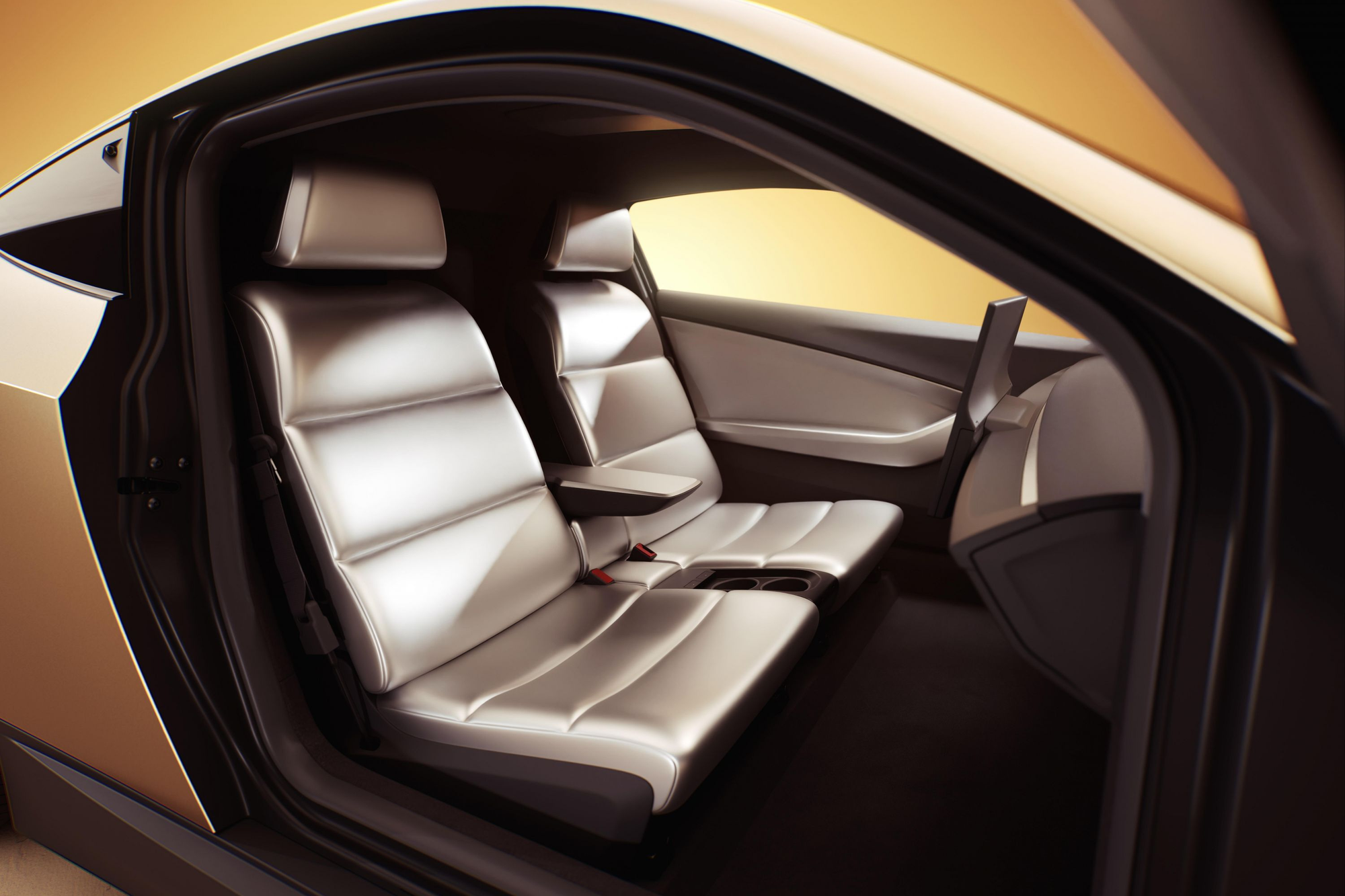
Recently I came across this photo of a Tesla Cybercab with a driver and steering wheel and it got me really excited at the idea of actually seeing one of these being sold to the consumer market.

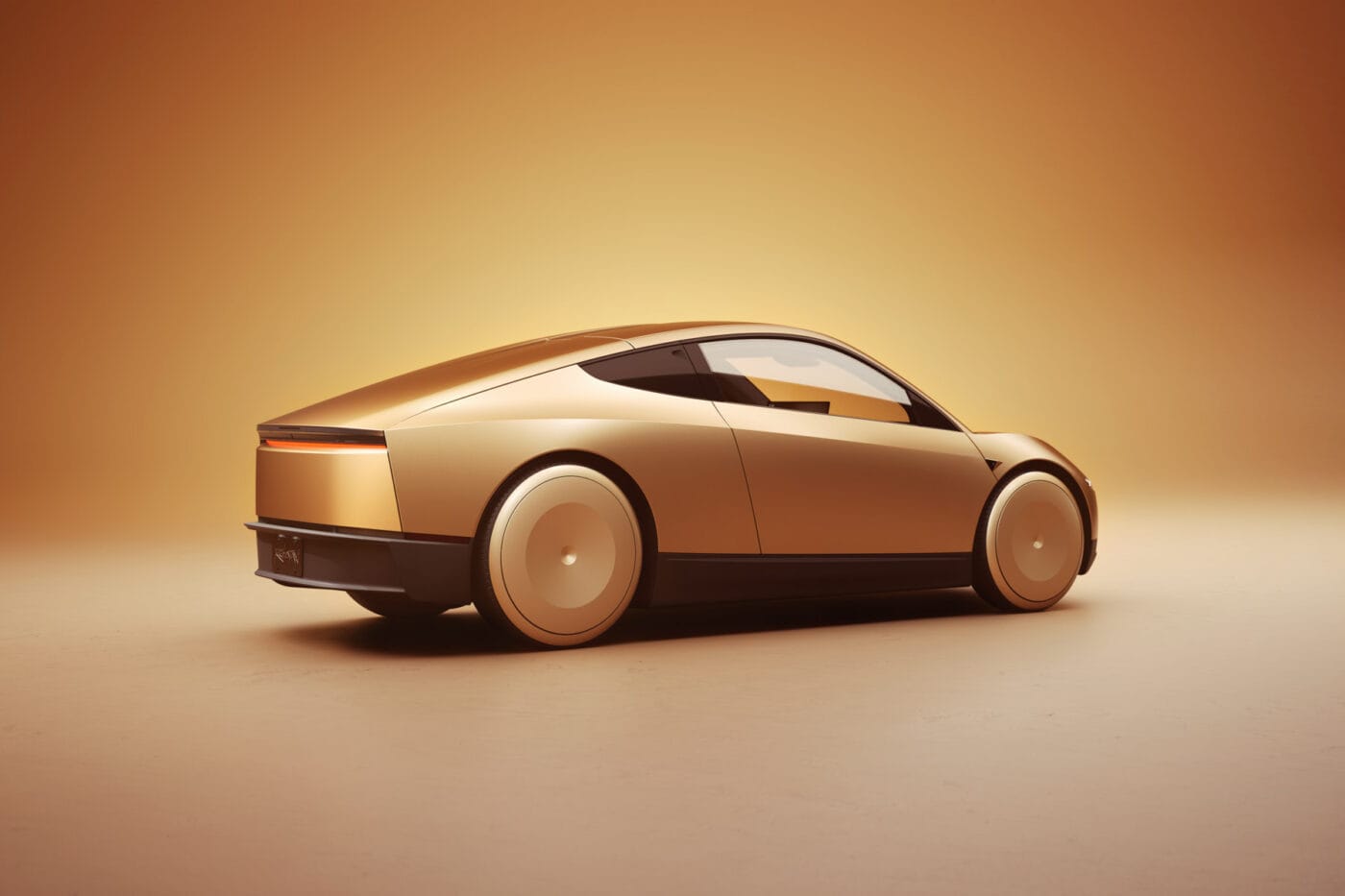
Recently I came across this photo of a Tesla Cybercab with a driver and steering wheel and it got me really excited at the idea of actually seeing one of these being sold to the consumer market.
I've covered this previously, but the EV market has an obesity problem. The problem is they want to make more and more and larger vehicles, many pickup trucks and SUVs but especially crossovers.
On one end of that extreme is the Hummer EV.
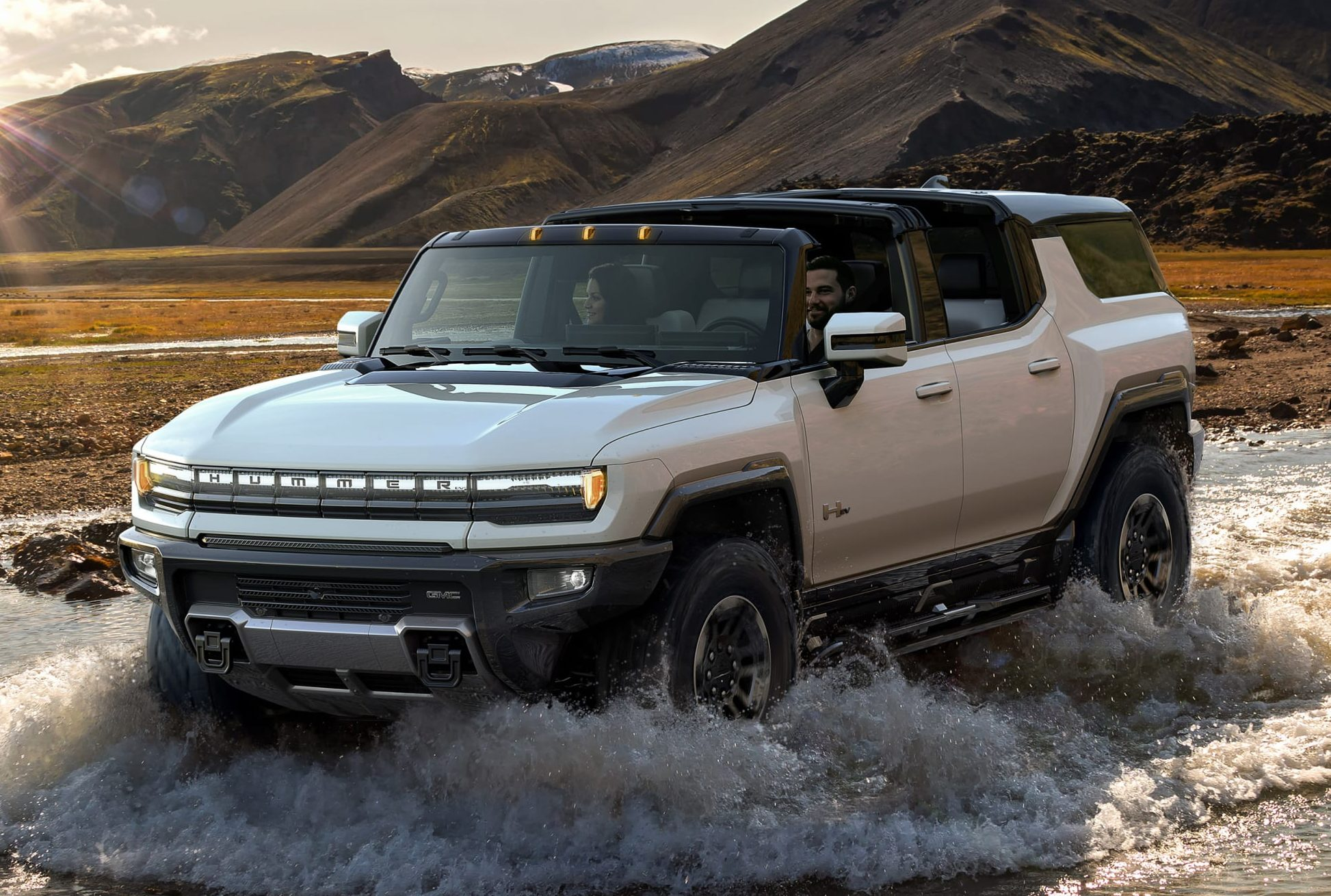
An absolute monstrosity and a monument to man's arrogance, this vehicle weighs in at a whopping 9,640 pounds, and prices start at around $97k.
On the other end of that spectrum is the Aptera "SEV":
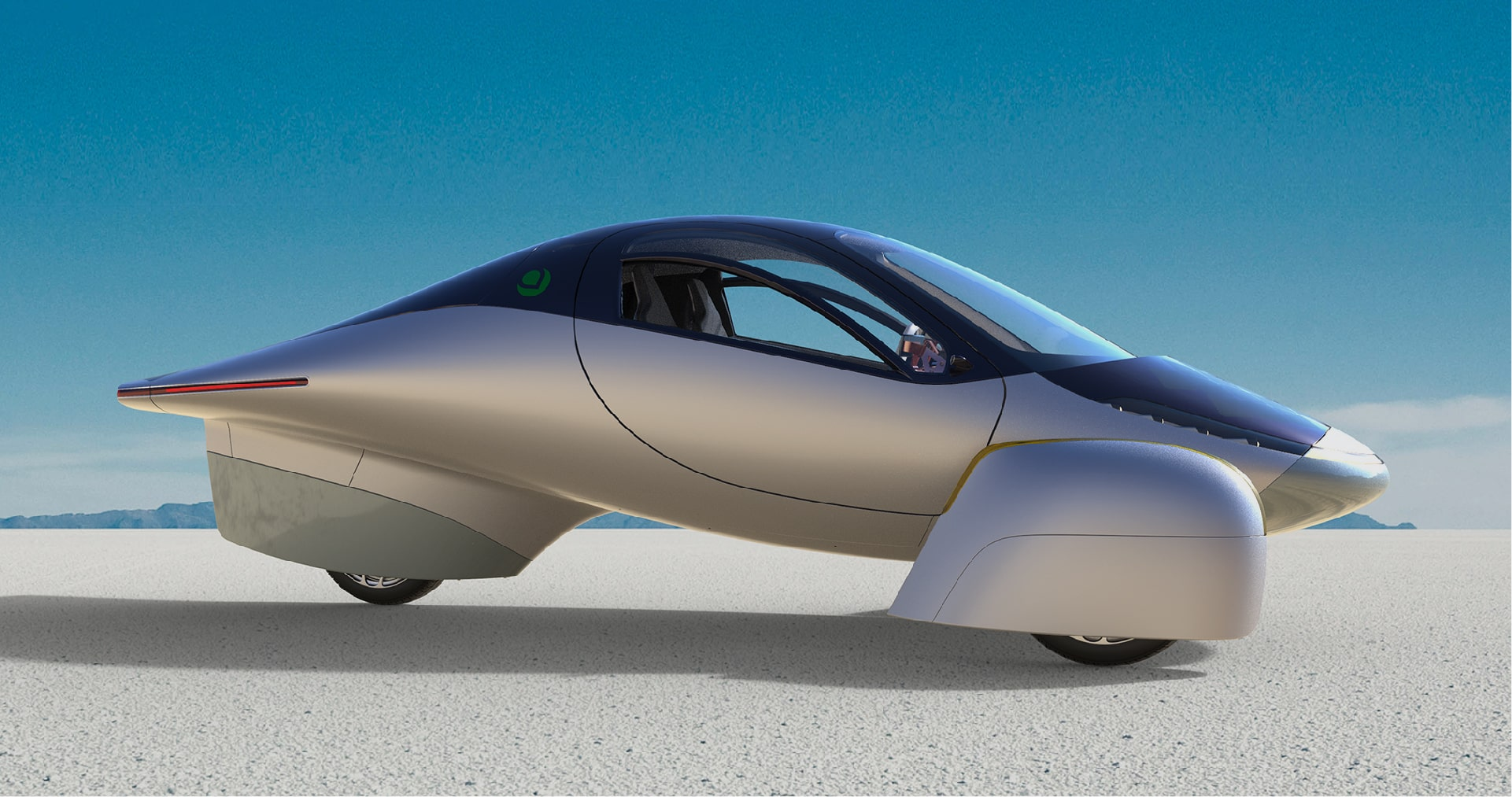
A vehicle designed by a computer to be as insanely efficient as humanly possible while carrying 2 adult passengers, it is projected to deliver an absolutely wild 100 wh/mi (although I am fairly skeptical of this number, as they advertise it as the same for 40, 60 and even 100kWh models with probably a 20% increase in weight). So efficient, in fact, that they plaster it with solar panels, and those can actually deliver a meaningful amount of range (claimed up to 40 miles of range/day in sunny California).
Unfortunately, I have lost faith in this company, and I don't think they'll ever deliver one. They were originally supposed to begin deliveries in 2021. However that date keeps getting pushed further and further back, and meanwhile the company has been drastically redesigning the vehicle along the way, indicating to me that they were never prepared for production in the first place.
In addition to that they do not benefit from economies of scale of larger companies, so this vehicle is actually expected to cost as much as a base Model 3 in its' "launch configuration", which means it will probably end up costing a lot more.
Why is efficiency important
Large EVs are necessarily expensive. Why? Well, what's the most expensive part of an electric vehicle? Much of them are the same; chassis, brakes, interior, etc. etc., the most obvious difference is the powertrain itself, and the most expensive part of the powertrain is the battery. So if you can make the vehicle more efficient, you can use a smaller battery, and the vehicle becomes significantly less expensive.
Efficiency has a sort of cyclical affect. Being more efficient makes it more efficient. If you have less weight, you need less battery, which means you have less weight. Being more efficient means you generate less heat, which means you need less airflow over a radiator, which means you're more aerodynamic, which means you're more efficient. You get the idea.
Charging
My Model 3 can be charged on a standard household outlet, gaining approximately 5 miles of range per hour, or 60 miles of range "overnight", assuming it's parked for at least 12 hours (yours is probably parked for more, but I digress). This is the only reason I'm able to own this vehicle and charge it at my condo.
The opposite of that is true, as demonstrated by the vehicles from GM. The Hummer, despite having an absolutely gargantuan 200kWh battery, manages a measly 300 miles of range. A whopping 1.5 mi/kWh. This same vehicle would achieve a useless ~1 mile of range per hour on a 110V household outlet.
Why the Cybercab
The Cybercab is just one step up from the Aptera. Much more practical but also still extremely efficient. It's a work horse. Designed without any frills.
The 2 seats allow for something that's simply not possible otherwise, and that's the aerodynamic shape of the roof. In a 4-seater the roofline must accommodate rear seat passengers, and accordingly headroom for those passengers, thus creating a very "bubbly" aesthetic and making significant compromises on range. The 2 seats allow for a more "tear drop" sloping roofline shape that massively improves aero.
Yes, losing 2 seats is a pretty significant compromise, but the gains are real. The Tesla Model 3 RWD is one of the most efficient vehicles ever made, only topped by the Lucid Air RWD. But the Cybercab blows them both away. With a miniscule 50kWh battery, it achieves an enormous 300 miles of range (166Wh/Mi). Put a smaller battery and give it 200 miles of range and it gets even cheaper.
Tesla could give it a bench seat like the pickup trucks of yore (it's halfway there already) and that would add at least 1 more passenger.
The rear of the vehicle has no rear glass, a trick we've only ever also seen previously on the polestar 4:
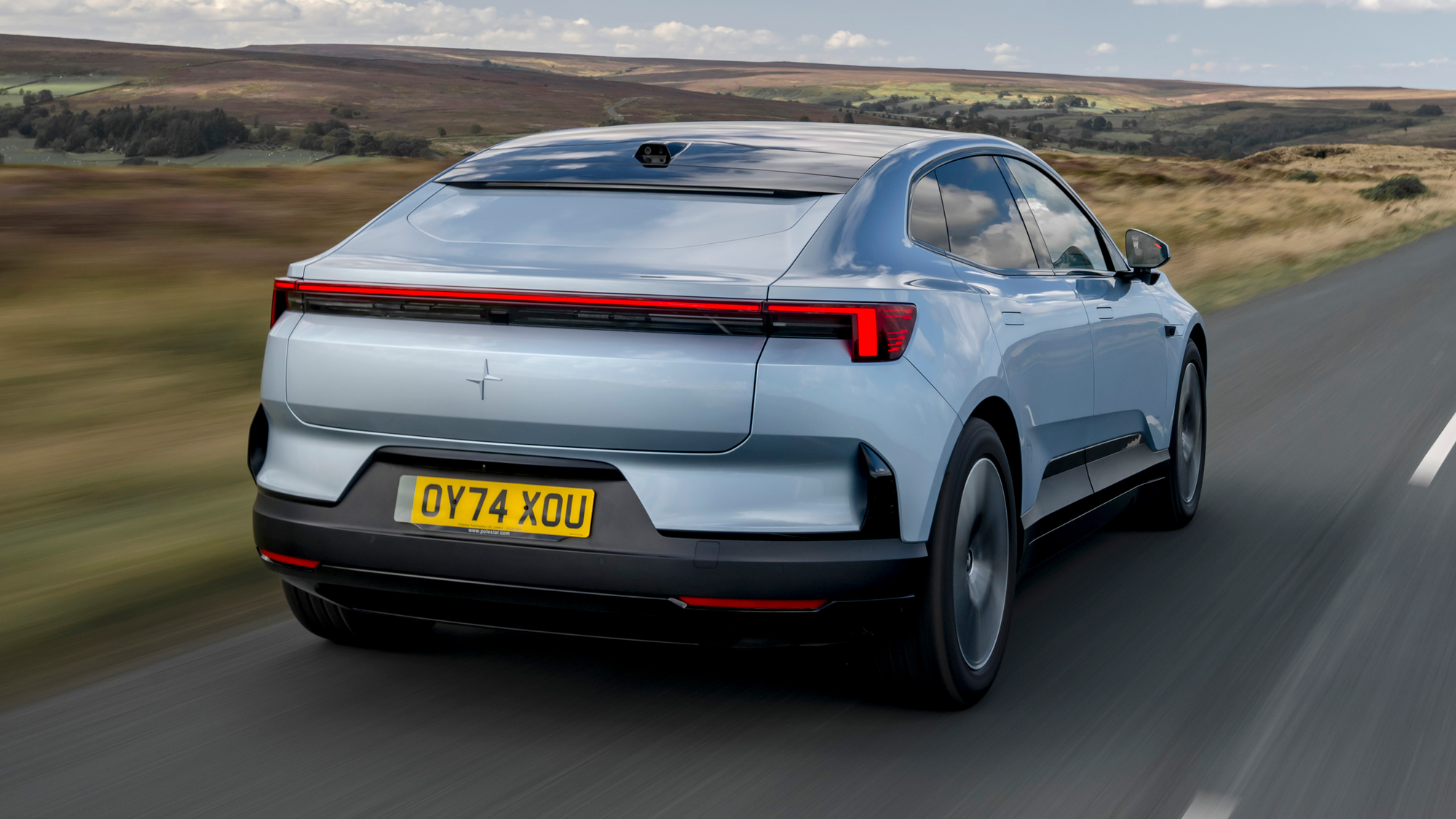
Modern reverse cameras allow for this, which decreases cost. I can tell you I owned a Bolt EV for many years and it had a reverse camera. I could obviously see better through a direct feed from the back hatch than through the interior of the vehicle and all its' pillars, so I literally never looked out the back glass. This is a change I think we may see becoming a trend. Although I hope they integrate it better than the current rear-view-mirror-as-a-display method.
Price
Given these compromises, this vehicle has the potential to be the first "affordable" mass-market EV. I think they could feasibly sell it for ~$25k, which would be a huge boon to getting more people into EVs for a cleaner, greener future. Even $30k would be massive.
They're already producing them for their taxi fleets. Why not make a few small changes and make them available for purchase?